
ความน่าเชื่อถือและการบำรุงรักษา EV
Visit an EV store and discuss maintenance with Dr. Mark Quarto from Quarto Technical Services.
Electric vehicle (EV) powertrain systems are significantly simpler compared to conventional combustion engines. These motors don’t require routine servicing such as oil changes, spark plug replacements, fuel changes, and oil filter maintenance. Electric motors are generally reliable, long-lasting, and easy to maintain. While requiring less maintenance, they still need to undergo scheduled servicing as per the manufacturer’s recommended schedule. The common concern everyone focuses on is the battery, but when it comes to the motor itself, there’s a large gap in assessment and the level of skill required to diagnose electric motors. “Having spoken with numerous automotive technicians and instructors over the years, most will quickly admit that they have very little experience knowing how to test, analyze, and diagnose EM systems. Even if the technicians are proficient in diagnosing traditional automotive powertrains, their experience is largely nonexistent in electric powertrains.”
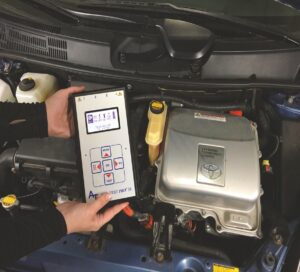
EV motor testing
The used EV and second-owner market continues to raise concerns about how technicians can confidently analyze and diagnose electric powertrain systems. Drive motor and generator (electrical machinery – EM) diagnostics and state of health (SOH) analysis have moved central to automotive diagnostics and analysis. Automotive technicians are showing a high level of interest in learning cutting-edge diagnostic and diagnostic processes to aid in determining the SOH of EM.
As electric vehicles (EVs) continue to age in the market, first-time owners of older vehicles, second-time owners, and vehicle groups are all asking, “What is the condition of the drive motor and alternator (stator and rotor) considering the vehicle’s SOH (Same Overhaul)?” Field technicians need diagnostic methods when targeting electric powertrain failure conditions. Specifically, OEM onboard diagnostics may not provide the comprehensive analysis needed to assess the integrity of an aging EM (Electrical Component Overhaul) or clarify problems within the EM or power inverter module (PIM) system. Because the cost of EM or PIM systems can result in repairs costing thousands of dollars, identifying and pinpointing the root cause of the problem is crucial. The labor time required to identify the root cause of a problem can be excessive, significantly increasing the actual repair cost. If the system is misdiagnosed, parts and labor costs will skyrocket. The aftermarket or OEMs have embedded EM SOH as part of their formal service testing processes. This contrasts sharply with traditional gasoline engines (ICEs or internal combustion engines).
หากช่างเทคนิคด้านยานยนต์ถูกสอบถามถึงสาเหตุของการเกิดไฟผิดปกติของ ICE แบบเดิม ความแปรผันของรอบต่อนาที สภาพที่น้อย/สมบูรณ์ ฯลฯ มันจะเป็นลักษณะที่สองสำหรับพวกเขาที่จะทำการทดสอบเฉพาะ/ตามเป้าหมาย การทดสอบเครื่องยนต์บางส่วนอาจรวมถึงความสมดุลของกระบอกสูบ แรงอัด การรั่วของกระบอกสูบ รูปคลื่นสุญญากาศ การทดสอบระบบจุดระเบิด ฯลฯ การทดสอบเหล่านี้เป็นการทดสอบเฉพาะถิ่นและเชื่อมโยงอยู่ใน DNA ของวิธีที่ช่างเทคนิคยานยนต์ทดสอบ วิเคราะห์ และวินิจฉัยระบบส่งกำลังของยานยนต์ เมื่อเปรียบเทียบกับมอเตอร์ EV ช่างเทคนิคยานยนต์คนเดียวกันนี้อาจสามารถอ้างอิงการทดสอบได้หนึ่งหรือสองประเภท แต่ไม่คุ้นเคยเลยกับองค์ประกอบการทดสอบเพิ่มเติมที่ใช้ในการวิเคราะห์ EM และโหมดความล้มเหลวที่เกี่ยวข้อง นี่คือช่องว่างรากระหว่างระดับปัจจุบันของการวิเคราะห์ EM และการวินิจฉัยในสาขาการบริการยานยนต์
สถานะปัจจุบันของการบำรุงรักษาและการแก้ไขปัญหามอเตอร์ EV
ช่างเทคนิคด้านยานยนต์มีหลักสูตรมากมายที่พวกเขาเข้าร่วมทุกปี เพียงเพื่อให้ทันกับเทคโนโลยีเครื่องยนต์สันดาปภายใน (ICE) แบบดั้งเดิม และเนื่องจากเทคโนโลยี ICE ประกอบด้วยปฏิสัมพันธ์ส่วนใหญ่ในแต่ละวันสำหรับช่างเทคนิค จึงเป็นงานที่ยุ่งยากสำหรับพวกเขา (และเจ้าของธุรกิจ) ที่จะต้องจัดสรรชั่วโมงการฝึกอบรมที่สำคัญเพื่อเรียนรู้ระบบส่งกำลังไฟฟ้า อย่างไรก็ตามตลาดยานยนต์ได้มาถึงจุดสุดยอดแล้ว ปริมาณผลิตภัณฑ์ยานยนต์ไฟฟ้าในตลาดที่ใกล้จะหรือหมดระยะเวลาการรับประกันเริ่มมีจำนวนเพิ่มมากขึ้น ยอดขาย EV ทั่วโลกมีมูลค่ารวมประมาณ 7.2 ล้านในปี 2019 เพิ่มขึ้น 57% จากการขาย EV ทั้งหมดในปี 2017 ปริมาณเหล่านี้ไม่สามารถละเลยได้อีกต่อไป โดยเฉพาะอย่างยิ่งจากตลาดหลังการขายยานยนต์
ช่างเทคนิคด้านยานยนต์มีหลักสูตรมากมายที่พวกเขาเข้าร่วมทุกปี เพียงเพื่อให้ทันกับเทคโนโลยีเครื่องยนต์สันดาปภายใน (ICE) แบบดั้งเดิม และเนื่องจากเทคโนโลยี ICE ประกอบด้วยปฏิสัมพันธ์ส่วนใหญ่ในแต่ละวันสำหรับช่างเทคนิค จึงเป็นงานที่ยุ่งยากสำหรับพวกเขา (และเจ้าของธุรกิจ) ที่จะต้องจัดสรรชั่วโมงการฝึกอบรมที่สำคัญเพื่อเรียนรู้ระบบส่งกำลังไฟฟ้า อย่างไรก็ตามตลาดยานยนต์ได้มาถึงจุดสุดยอดแล้ว ปริมาณผลิตภัณฑ์ยานยนต์ไฟฟ้าในตลาดที่ใกล้จะหรือหมดระยะเวลาการรับประกันเริ่มมีจำนวนเพิ่มมากขึ้น ยอดขาย EV ทั่วโลกมีมูลค่ารวมประมาณ 7.2 ล้านในปี 2019 เพิ่มขึ้น 57% จากการขาย EV ทั้งหมดในปี 2017 ปริมาณเหล่านี้ไม่สามารถละเลยได้อีกต่อไป โดยเฉพาะอย่างยิ่งจากตลาดหลังการขายยานยนต์
ในปัจจุบัน ช่างเทคนิคพึ่งพาความล้มเหลวในรูปแบบ (การรับรู้) ของระบบเป็นอย่างมาก ซึ่งเป็นวิธีการระบุสาเหตุของความล้มเหลวของระบบแบบเดิม (ICE) “น่าเสียดายที่เทคโนโลยีเครื่องกล ไฟฟ้า และแม่เหล็กของ EM powertrain กำลังทำซ้ำอย่างรวดเร็วจนความล้มเหลวของรูปแบบจะถูกผลักไสให้ใช้วิธีการวินิจฉัยที่มีประสิทธิผลน้อยลง หากไม่มีรากฐานทางเทคนิคที่มั่นคงในเทคโนโลยี EM การวิเคราะห์และการวินิจฉัยจะเป็นการต่อสู้ที่ยากลำบากสำหรับช่างเทคนิค การเรียนรู้การวิเคราะห์ EM และเทคนิคการวินิจฉัยต้องอาศัยการฝึกอบรมและประสบการณ์ที่สำคัญ ซึ่งเป็นความท้าทายสำหรับนักวินิจฉัยที่มีประสบการณ์ เว้นแต่ว่าอุปกรณ์วิเคราะห์และทดสอบสามารถขัดถูข้อมูลทางไฟฟ้าและแม่เหล็ก เพื่อให้งานการวิเคราะห์และวินิจฉัยง่ายขึ้น”
การบำรุงรักษาและการแก้ไขปัญหามอเตอร์ EV
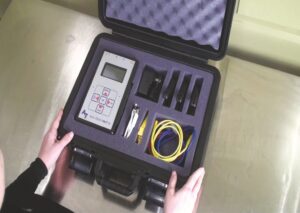
เครื่องมือ ALL-TEST PRO 33 EV™ เป็นเครื่องมือเดียวที่สร้างขึ้นสำหรับการทดสอบมอเตอร์แม่เหล็กถาวรพิเศษและมอเตอร์/เครื่องกำเนิดไฟฟ้าที่ใช้ในยานพาหนะไฟฟ้าและไฮบริด ด้วยเครื่องทดสอบแม่เหล็กมอเตอร์ไฮบริดที่เป็นนวัตกรรมใหม่นี้ คุณสามารถทดสอบมอเตอร์แม่เหล็กในยานพาหนะได้จากอุปกรณ์เครื่องเดียวที่ให้ผลการวินิจฉัยที่รวดเร็วและแม่นยำ
Mark’s reasoning for choosing the AT33EV: “The AT33EV scored the highest of five (5) MGU testing methods in an internal General Motors (GM) study that my team conducted in 2011 to assess the predictability and testing potential of MGU testing instruments. It also scored the highest in a study conducted by GM’s external electric motor testing suppliers when the study was reenacted to ensure that the test results and performance of the instrument were reproducible. Thus, the AT33EV is the superior testing instrument for 3-phase EM testing and SOH analysis. One of the main advantages of the AT33EV instrument is its ability to test EM rotors without rotating them. In short, EM can be tested completely stationary. For technicians, this means that the testing can be done with the high voltage electrical systems disabled and no road testing is required. All testing can be done in a service bay.”
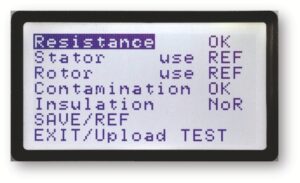
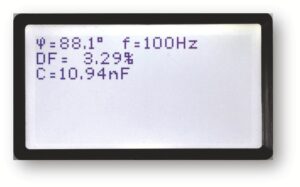
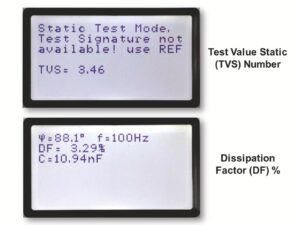
The MGU SOH test parameters include direct current (DC), resistance (milliohms), inductance, impedance, capacitance, phase angle, current frequency response, dissipation factor (contamination), and insulation resistance. The AT33EV can quickly troubleshoot or check the system’s motor connections and motor health.
Mark Quarto has worked in electric vehicle technology for over 32 years. His experience spans almost every aspect of vehicle development and engineering. His work in electric systems, vehicle electrification, propulsion, and energy management led him to start his own company, teaching, consulting, and advisory to numerous OEMs, remanufacturers, and aftermarket companies in the EV market. Some of Mark’s projects include GM’s EV1, the Chevrolet Tahoe/Yukon 2-Mode Hybrid, the Chevrolet Spark, the Volt and Equinox, a fleet of fuel cell demonstrators, and other advanced prototypes. Quarto Technical Services is a supplier of ALL-TEST Pro for EV testing equipment and consulting.
ALL-TEST Pro (ATP) has been providing safe and reliable motor testing solutions for over 30 years with patented technologies and equipment. ATP products are used in various industries such as manufacturing, food processing, water and waste, steel, utilities, aerospace, transportation, and more. All instruments are handheld, fast, portable, safe, and provide accurate motor and component condition monitoring, compared to traditional testing equipment that requires interpretation of measurements.
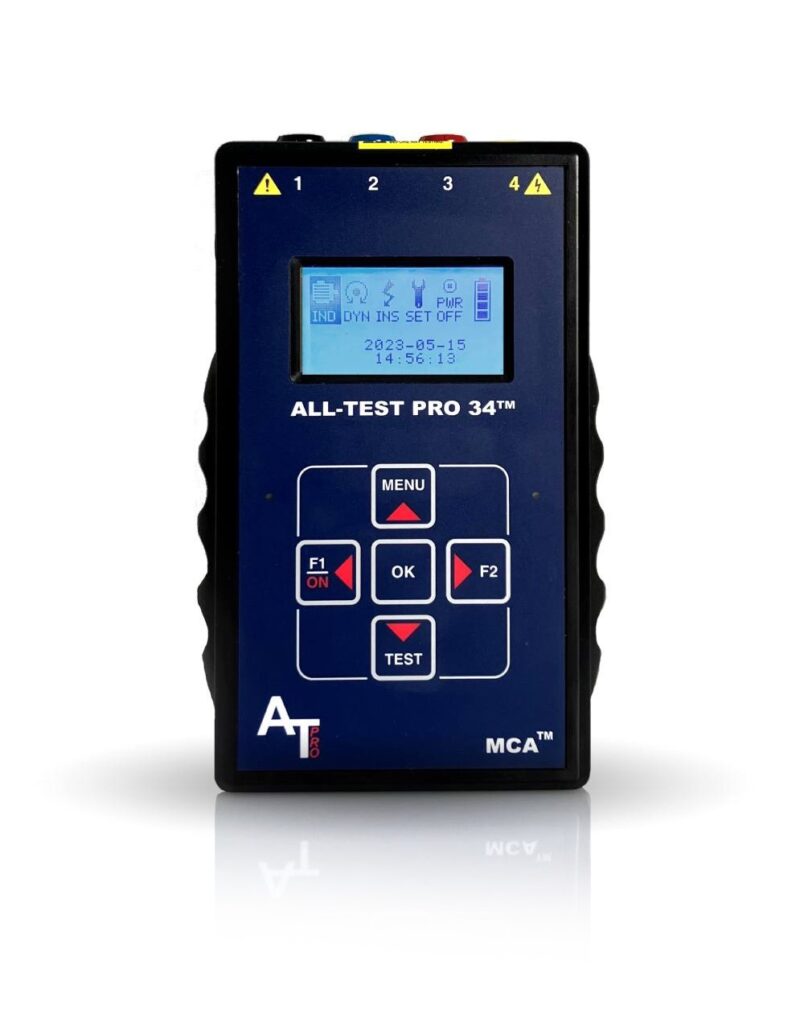
AT34™
วิเคราะห์และแนวโน้มความสมบูรณ์ของส่วนประกอบมอเตอร์สำหรับความผิดปกติของกราวด์ ความผิดปกติของขดลวดภายใน การเชื่อมต่อแบบเปิด และการปนเปื้อน – ทั้งหมดนี้ทำได้ด้วยอุปกรณ์มือถือเครื่องเดียว