电动汽车的可靠性和维护
Discuss electric vehicle repair and maintenance with Dr. Mark Quarto of Quarto Technical Services.
Compared to traditional internal combustion engines, the powertrain systems of electric vehicles (EVs) are far simpler. These engines do not require routine maintenance such as oil, spark plug, fuel, and oil filter changes. Electric motors are generally reliable, long-lasting, and easy to maintain. While electric motors require less maintenance, they still need to be maintained according to the manufacturer’s recommended schedule. The focus is often on the battery, but when it comes to the motor, there is a significant gap in the skill level required to assess and diagnose it. “Over the years, when I’ve spoken with many automotive technicians and instructors, most have readily admitted that they have very little experience in understanding how to test, analyze, and diagnose electromagnetic systems. While technicians are adept at diagnosing traditional automotive powertrains, their experience in the field of electric powertrains is remarkably limited.”
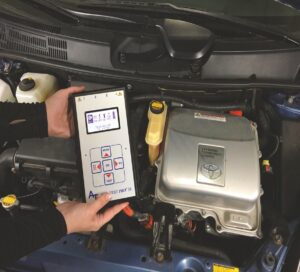
Testing electric vehicle motors
The used and refurbished electric vehicle market continues to draw attention to how technicians can confidently analyze and diagnose electric powertrain systems. Drive motor and generator (EM) diagnostics and State of Health (SOH) analysis have become central to automotive diagnostics and analysis. Automotive technicians have shown great interest in learning state-of-the-art analysis and diagnostic procedures to help determine the SOH of electromagnetic systems.
As electrified vehicles age in the market, first owners, second owners, and fleet owners of older vehicles are now asking: “What is the condition of the drive motor and generator (stator and rotor) when determining the vehicle’s State of Health (SOH)?” Field technicians want a diagnostic approach for electric powertrain failure conditions. Specifically, OEM on-board diagnostic systems may not provide the comprehensive analysis needed to determine the health of aging solenoids or pinpoint problems within the solenoids or their power inverter module (PIM) systems. Since the cost of an EM or PIM system can result in thousands of dollars in repair charges, identifying and determining the root cause of the problem is crucial. Excessive human time required to determine the root cause increases the actual cost of repairs. If the system is misdiagnosed, parts and labor costs can rise significantly. Unlike traditional gas engines (ICE or internal combustion engines), neither the aftermarket nor OEMs include EM SOH as part of their formal service testing process.
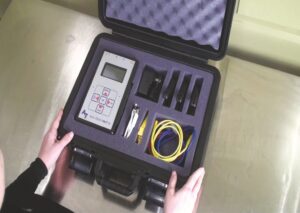
If you ask automotive technicians about the causes of misfires, RPM variations, and lean/rich fuel conditions in traditional internal combustion engines, their second instinct is to perform specific/targeted tests. Some of these engine tests include cylinder balancing, compression, cylinder leakage, vacuum waveforms, and ignition system testing. These tests are deeply ingrained in the DNA of automotive technicians’ testing, analysis, and diagnosis of automotive powertrain systems. While these technicians might be able to list one or two types of tests compared to electric vehicle motors, they are completely unfamiliar with the other test elements used in electromagnetic analysis and the associated failure modes. This is the fundamental gap between the current level of electromagnetic analysis and diagnostics in the automotive service industry.
Current Status of Electric Vehicle Motor Maintenance and Troubleshooting
Automotive technicians already struggle to keep up with advancements in traditional internal combustion engine (ICE) technology, attending numerous courses annually. Furthermore, given that ICE technology occupies a significant portion of their daily interactions, allocating substantial training time to electric powertrain systems is a daunting task for them (and business owners). However, the automotive market has reached its peak. The number of electric vehicles nearing or exceeding their warranty periods is increasing dramatically. As of fiscal year 2019, global electric vehicle sales totaled approximately 7.2 million units, a 57% increase from fiscal year 2017. These sales figures are significant, especially in the automotive aftermarket.
Automotive technicians already struggle to keep up with advancements in traditional internal combustion engine (ICE) technology, attending numerous courses annually. Furthermore, given that ICE technology occupies a significant portion of their daily interactions, allocating substantial training time to electric powertrain systems is a daunting task for them (and business owners). However, the automotive market has reached its peak. The number of electric vehicles nearing or exceeding their warranty periods is increasing dramatically. As of fiscal year 2019, global electric vehicle sales totaled approximately 7.2 million units, a 57% increase from fiscal year 2017. These sales figures are significant, especially in the automotive aftermarket.
Currently, technicians rely heavily on pattern-based fault identification (PDI) to determine the root cause of failures in traditional (integrated circuit) systems. Unfortunately, the mechanical, electrical, and magnetic technologies of electromagnetic powertrains are evolving so rapidly that PDI is becoming a less effective diagnostic method. Without a solid foundation in electromagnetic technology, analysis and diagnosis will be a tough battle for technicians. Learning electromagnetic analysis and diagnostic techniques requires extensive training and experience, which is also a challenge for experienced diagnosticians, unless analysis and testing equipment can erase electrical and magnetic data, making the analysis and diagnostic work much easier.
Electric vehicle motor maintenance and troubleshooting
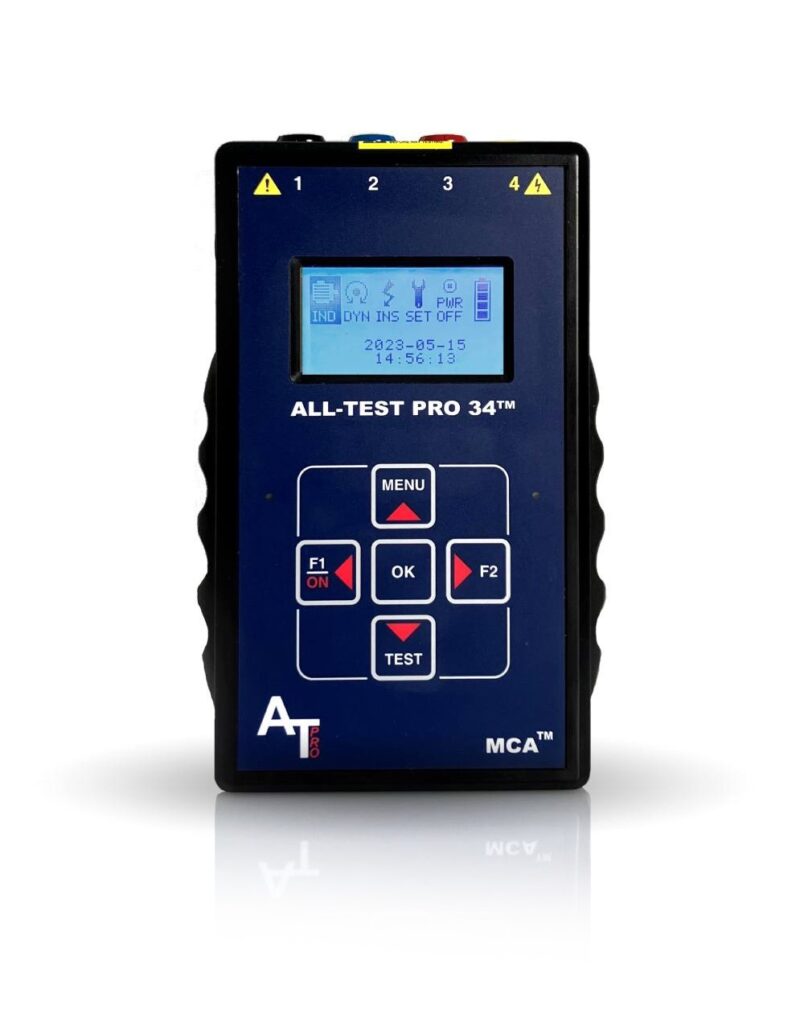
The ALL-TEST PRO 33 EV™ instrument is the only tool designed to test specialized permanent magnet motors and motor/generators used in electric and hybrid vehicles. With this innovative hybrid motor magnet tester, you can test a vehicle’s magnet motor in one device and receive fast, accurate diagnostic results.
Mark chose the AT33EV because: “My team conducted an internal GM study in 2011 to determine the prospects of MGU test instrument prediction and testing capabilities, and the AT33EV scored highest among five (5) MGU testing methods. In a study conducted by an external GM motor testing supplier, the AT33EV also received the highest score to ensure the repeatability of test results and instrument performance. Therefore, the AT33EV is an excellent test instrument for performing three-phase electromagnetic testing and SOH analysis. One of the main advantages of the AT33EV tool is that it can test electromagnetic rotors without rotation. In short, electromagnetics can be tested completely statically. For technicians, this means that tests can be performed without high-voltage systems and without the need for road testing – all tests can be done in the repair shop.”
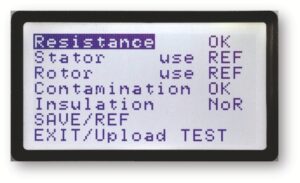
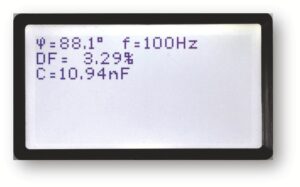
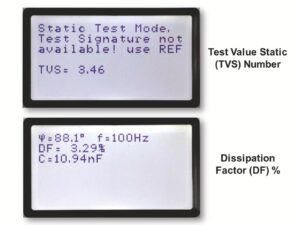
The test parameters for the guidance unit SOH include DC, resistance (milliohms), inductance, impedance, capacitance, phase angle, current frequency response, dissipation factor (contamination), and insulation resistance. The AT33EV can quickly troubleshoot or verify the system’s motor connections and motor health.
Mark Quarto has worked in the field of electric vehicle technology for over 32 years. His experience spans most areas of automotive development and engineering. His work in electrical systems, vehicle electrification, propulsion, and energy management led him to found his own company, providing training, mentoring, and consulting to numerous original equipment manufacturers, remanufacturers, and aftermarket companies in the electric vehicle market. Mark’s portfolio includes the GM EV1, the Chevrolet Tahoe/Yukon 2 hybrid, the Chevrolet Spark, Volt, and Equinox, fuel cell demonstration fleets, and other advanced concept vehicles. Quarto Technical Services is a distributor of electric vehicle testing equipment and consulting for ALL-TEST Pro.
For over 30 years, ALL-TEST Pro (ATP) has been providing safe, fast, and reliable motor solutions using its patented, proven technologies and equipment. ATP’s product line is widely used in industries such as manufacturing, food processing, water and waste treatment, steel, utilities, aerospace, and transportation. Compared to traditional testing equipment that requires interpretation of measurement results, all instruments are handheld, fast, portable, safe, and provide information on the status and health of motors and components.