受入試験でダウンタイムを防ぐ市営電力管区
Each company
Since 2008, Texas Municipal Utility Districts (MUDs) have worked with Less Watts, Inc., a company specializing in motor reliability and power quality testing for the water and wastewater industries. Less Watts, Inc. supports the Metropolitan Public Utility District by providing motor acceptance testing, commissioning, and condition monitoring services. When one of the booster stations managed by the Harris County MUD was upgrading its pumps and motors, Steven Hogue of Less Watts, Inc. was asked to perform the acceptance testing.
application
The Municipal Utility District’s main booster station in Houston, Texas, delivers water to surrounding residential and commercial properties. Water is pumped from the booster station to static tanks, where it’s pressurized and distributed to the entire city water district. In 2017, MUD planned to upgrade its Well-1 booster station and ordered four booster pumps with 75-horsepower motors.
Problems discovered with brand new motor during acceptance testing
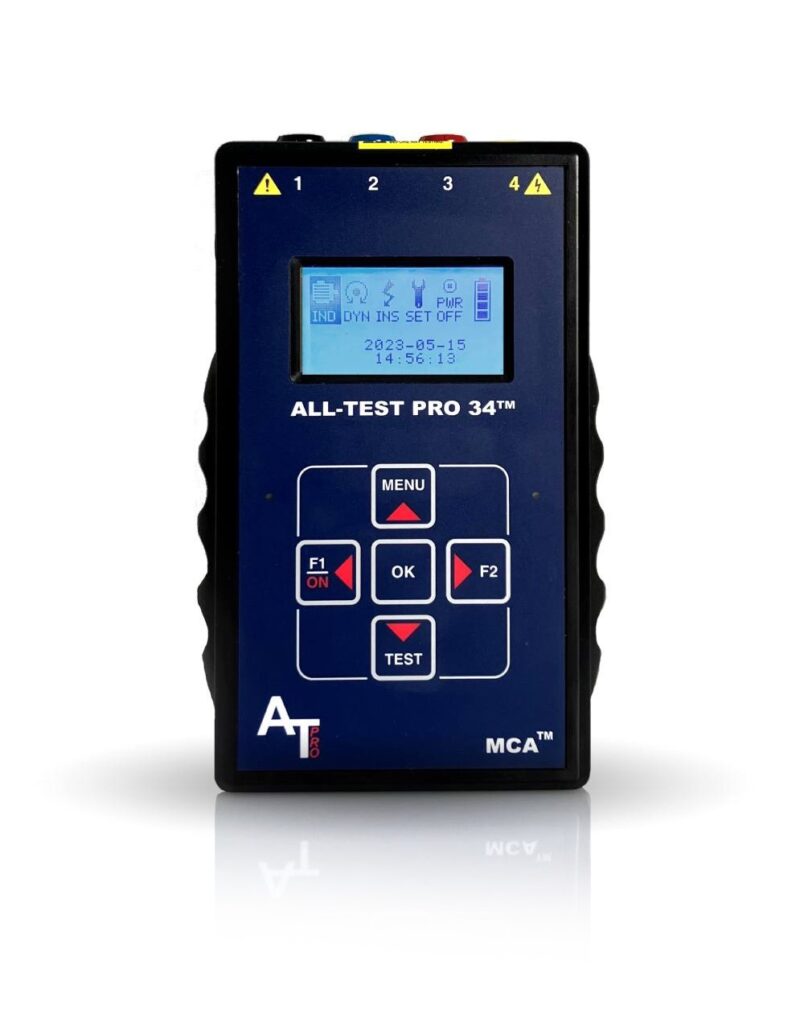
Each pump system (pump, motor, and drive) was mounted on a separate skid. Hogue brought the portable ALL-TEST PRO 33 IND™ to the pump supplier’s warehouse to check the condition of new motors before they were officially accepted by the MUD. Used for de-energized motor circuit analysis (MCA™) , the AT33 IND™ is specifically designed for motor troubleshooting and commissioning new or rebuilt motors before installation. The AT33 IND™ can be used to identify motor conditions, including winding fouling, stator and rotor imbalance, rotor and stator condition changes, winding resistance, fouling, and insulation and grounding issues.
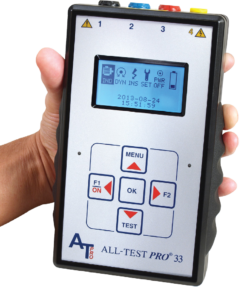
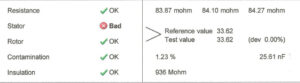
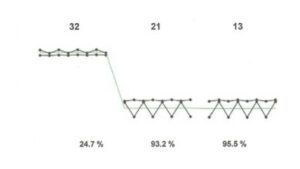
Hogue connected the AT33 IND™ to the motor box leads and performed static and dynamic tests. He generated reports for each motor, with one report showing test results consistent with a Phase 3-2 winding failure.
Test Results
Hogue discussed the test results with MUD and explained why his acceptance report indicated one motor should not be accepted for installation. Even though the motor was new, the AT33 IND™ indicated defects, warning of possible motor failure. MUD requested that the problem motor be returned to the vendor and replaced with another unit. A week later, the new motor was delivered, and Hogue returned to the pump manufacturer’s warehouse with the AT33 IND™ handheld tester to test the replacement motor. This time, the new motor passed the acceptance test.
In August 2017, the fully assembled skid was installed at the Main Booster Station. Hoag retested the installed motors prior to start-up to ensure all motors were operating as designed. Commissioning went smoothly, and the motors have been running smoothly since start-up. Hoag continues to collect operational data monthly as part of the MUD’s condition monitoring program. Hoag shared their thoughts:
“Testing a motor before installing it helps ensure the equipment will operate as designed. When installing a new or refurbished motor, it’s a good idea to commission the equipment before paying for delivery and installation. Discovering there are issues with the motor after start-up or a short period of operation can result in additional maintenance costs, system downtime, and potential difficulties in satisfying warranties.”
conclusion
Do not accept the motor if there is evidence that it is not working as intended.
The MUD was able to avoid additional costs on the project by proactively starting testing prior to the delivery and installation of the motor.
Equipment owners can avoid unplanned downtime and even breakdowns by testing their equipment before receiving and installing it.
Even if a motor is new, it should be tested before acceptance and installation. As demonstrated in this case, one of the four motors had a serious stator warning that indicated it performed differently than the other three. If it had failed within the first year, standard parts and labor would have been covered under warranty. However, if this motor had been out of warranty, the owner would have had to pay the full cost.
Advanced inspection equipment can be used to detect errors in the manufacturing and repair processes.
This is a perfect example of how the ALL-TEST Pro unenergized/energized motor tester can be used to test incoming motors, whether they’re brand new or coming back from a motor repair shop. Learn about motor circuit analysis, electrical signal analysis, and other ways you can check the health of your motor with the support of ALL-TEST Pro. “What’s really great about ALL-TEST Pro is that they’re always there to help,” says Hogue. “I’ve never seen technical support like the ALL-TEST Pro.”
About All-TEST Pro, LLC
ALL-TEST Pro delivers true motor maintenance and troubleshooting with innovative diagnostic tools, software and support.
About Les Watt
Less Watts, Inc. provides dynamic electric motor reliability and power quality testing services in Texas.