积极主动的电机测试为乙醇工厂提供保护
Ethanol has been a clean fuel used in the United States since the 1850s. Ford’s Model T was designed to run on ethanol. Although ethanol was banned during Prohibition, it gained renewed attention in the 1970s amid high oil prices and concerns about oil imports. In 2005, the U.S. Congress introduced the Renewable Fuel Standards, setting minimum requirements for the use of renewable fuels, leading to a resurgence of ethanol’s popularity.
company
Cardinal Ethanol is one of the companies committed to contributing to renewable energy in the United States. In 2008, Cardinal Ethanol commissioned a natural gas ethanol production plant in the heart of the Corn Belt. Located in Indiana, the plant produces approximately 100 million gallons of ethanol annually, in addition to 340,000 tons of dry-distilled grain with solutes, which is distributed to companies producing livestock and poultry feed.
application
To produce 100 million gallons of ethanol annually, the plant must ensure that equipment operates reliably 24/7. The plant’s internal maintenance team schedules two planned shutdowns each year, one in the spring and one in the fall, to maintain the equipment and machinery running within the plant. During the fall shutdown in 2015, four new motors were installed to drive the conveyor belts that transport corn to the ethanol processing plant.
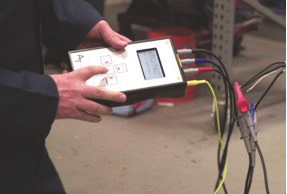
In December 2015, the maintenance team discovered an interruption in grain flow. Mark Durr, the maintenance project manager at the ethanol plant, quickly investigated the grain conveying system and determined that the interruption was caused by intermittent shutdowns of the conveyors. Mark then instructed his in-house maintenance team to conduct multiple tests on all four motors driving the corn conveyor.
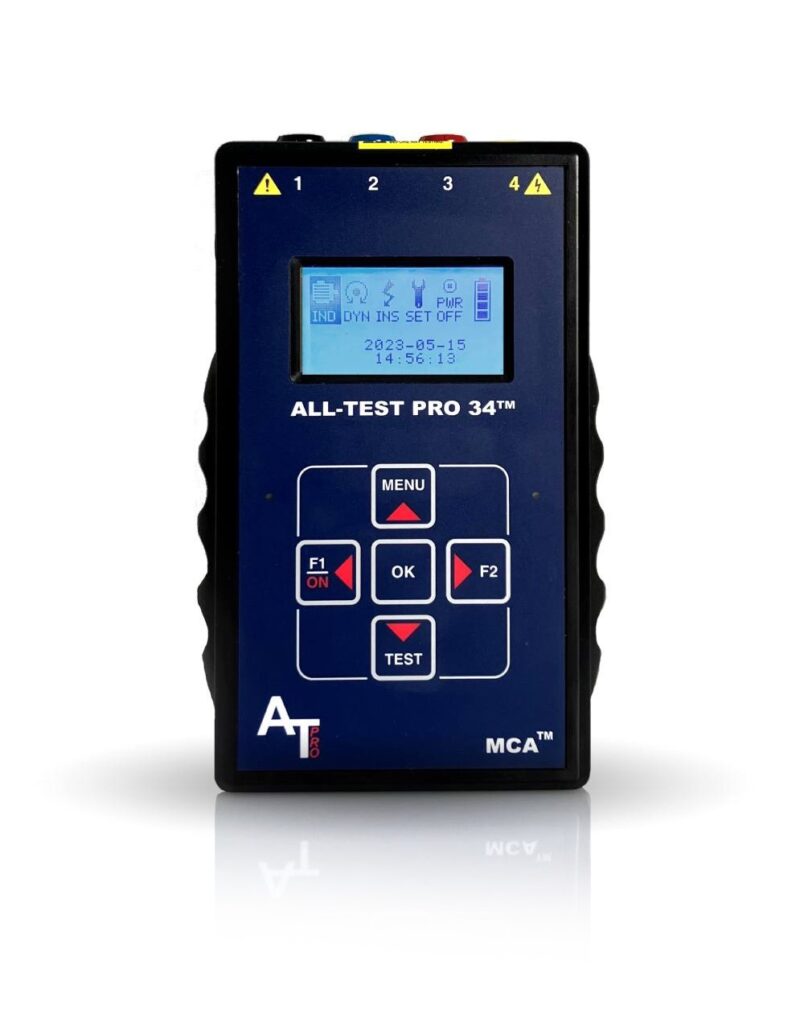
“Mark explained, ‘I instructed my technicians to test all four motors, which ranged in power from 40 to 60 horsepower, and our megohmmeter showed that the coils were normal, with no short circuits or grounding. When we used the ALL-TEST PRO 33 IND™, the motor testing instrument showed that the rotor was faulty.'”
Test Results
Mark immediately contacted the general contractor who installed the motors and told him about his findings. The contractor was curious about Mark’s conclusion that the rotors were the problem. These motors were all brand new, and the contractor couldn’t believe that the rotors of all four motors would have issues. When asked how he came to the conclusion that the rotors were the root cause, Mark explained to the contractor that he had an AT33™, a power-off motor test instrument that could display the full condition of the stator windings and rotor.
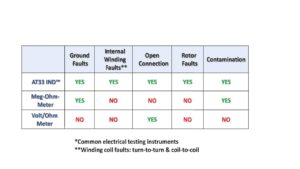
“A little over a year ago, shortly after I started working at this factory, I purchased the AT33™ motor tester. Mark says, ‘We focus on preventative maintenance to keep the factory running smoothly, which means having the right tools to prevent downtime.’ When a motor has a problem, megohmmeters, multimeters, and LCR meters (L-inductance, C-capacitance, R-resistance) can’t tell you if there’s a problem with the rotor, but the AT33™ can.”
After sharing the motor test results with the contractor, the contractor arranged for the replacement of the motor, which was still under warranty. The motor, tested with the AT33™, was sent to the contractor’s service center for disassembly and inspection. The service center’s technicians confirmed that the rotor was actually the root cause of the motor’s failure to perform as expected.
“Mark said, ‘The service center report confirmed the rotor was faulty, which wasn’t surprising to me. We’ve successfully used the AT33™ on several motors because we know that more common testers can’t display the rotor’s health. That was one of the main reasons I bought the AT33™—because it can test the rotor. It really came in handy in this situation.'”
Summarize
The motor should be tested before installation.
Before installing new and stored motors into the system, they must be inspected. Taking a few minutes to test the motors before installation can save thousands of dollars in maintenance costs and, in some cases, downtime costs.
The AT33™ On/Off Motor Tester can perform static and dynamic tests and is a reliable tool for displaying the integrity of the motor rotor and stator windings. It can also help maintenance technicians or operators understand whether there are problems such as contamination, connection and grounding faults.
About ALL-TEST Pro, LLC
ALL-TEST Pro enables true motor maintenance and troubleshooting with innovative diagnostic tools, software, and support, allowing you to keep your business running smoothly.
Regarding Cardinal Ethanol
The Cardinal Ethanol Project was initially founded by 12 members from Randolph County, Indiana, and officially established in February 2005 with the aim of planning, building, and operating a 100 million-gallon dry-milling corn processing plant to benefit investors, farmers, and the community.