
I test proattivi sui motori proteggono l’impianto di etanolo
Ethanol is a clean fuel that has been used in the United States since the 1850s. Ford’s Model T automobile was designed to run on ethanol, and although ethanol was banned during Prohibition, it gained popularity in the 1970s, a time of high gas prices and concerns about oil imports. Ethanol resurfaced when Congress enacted the Renewable Fuel Standard in 2005 to establish minimum requirements for the use of renewable fuels; currently, approximately 14 billion gallons of ethanol are added to gasoline consumed nationwide each year.
The company
Una delle aziende impegnate a contribuire alle fonti di energia rinnovabile in America è Cardinal Ethanol. Nel 2008, Cardinal Ethanol ha messo in funzione un impianto di produzione di etanolo alimentato a gas naturale nel cuore della Corn Belt. Situato nell’Indiana, questo impianto di etanolo produce circa 100 milioni di galloni di etanolo all’anno, oltre a 340.000 tonnellate di grani distillatori essiccati con solubili che vengono distribuiti alle aziende che producono alimenti per il bestiame e il pollame.
L’applicazione
Per produrre 100 milioni di galloni di etanolo all’anno, l’impianto deve garantire che le sue attrezzature funzionino in modo affidabile 24 ore al giorno, 7 giorni alla settimana. Il team di manutenzione interno dell’impianto di etanolo programma due volte all’anno “fermi programmati”, uno in primavera e uno in autunno, per eseguire la manutenzione delle attrezzature e dei macchinari in funzione nell’impianto. Durante la chiusura dell’autunno 2015, sono stati installati quattro nuovi motori per azionare i nastri trasportatori che alimentano il mais fino all’impianto di lavorazione dell’etanolo.
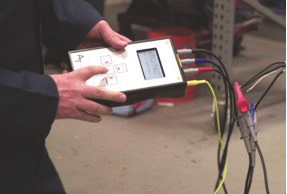
Nel dicembre 2015, il team di manutenzione ha notato un’interruzione del flusso di cereali. Mark Durr, responsabile del progetto di manutenzione dell’impianto di etanolo, ha indagato rapidamente sul sistema di consegna delle granaglie e ha stabilito che le interruzioni del flusso di granaglie erano causate dall’interruzione intermittente dei trasportatori. Mark ha quindi incaricato il suo team di manutenzione di eseguire diversi test su tutti e quattro i motori che azionano i trasportatori del mais.
“Ho chiesto ai miei tecnici di testare tutti e quattro i motori, che avevano una potenza compresa tra 40 e 60 cavalli, e il nostro misuratore di megohm ha mostrato che le bobine erano a posto, senza cortocircuiti e senza che nulla andasse a massa”, spiega Mark. “Quando abbiamo usato l’ALL-TEST PRO 33 IND™, quello strumento di prova dei motori ci ha mostrato che i rotori erano difettosi”.
Risultati del test
Mark ha immediatamente contattato l’appaltatore generale che aveva installato i motori per informarlo della sua scoperta. L’appaltatore era curioso di sapere come Mark avesse concluso che c’era un problema con i rotori. I motori erano nuovi di zecca e l’appaltatore non poteva credere che tutti e quattro i motori avessero problemi al rotore. Quando gli è stato chiesto come fosse arrivato alla conclusione che i rotori fossero la causa principale del problema, Mark ha spiegato all’appaltatore che aveva un AT33™, uno strumento di prova per motori non alimentato che mostra le condizioni complete degli avvolgimenti dello statore e del rotore.
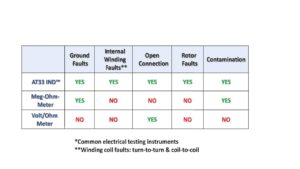
“I purchased the AT33™ motor test tool a little over a year ago, shortly after I started working at this plant. We focus on preventative maintenance to keep the plant running, and that means having the right tools to prevent downtime,” says Mark. “When you have a problem with a motor, a meg-ohm meter, a multimeter, and an LCR (inductance L, capacitance C, resistance R) meter can’t tell you if there’s a problem with the rotor, but an AT33™ can.”
After sharing the engine test results with the contractor, the contractor arranged for the replacement of the engines, which were under warranty. The engines tested with the AT33™ were sent to the contractor’s service center for disassembly and inspection. Service center technicians confirmed that the rotors were indeed the primary cause of the engines’ failure to perform as expected.
“The service center’s report confirming the rotors were defective wasn’t a surprise to me,” says Mark. “We’ve used the AT33™ successfully on several engines because we know that most common testers can’t show the rotor’s health. This is one of the main reasons I purchased the AT33™: its ability to test the rotor. In this case, it was really helpful.”
Conclusion
Motors must be tested before installation
It’s crucial to inspect new and stored motors before installing them in a system. Taking a few minutes to test a motor before installing it can save thousands of dollars in maintenance costs and, in some cases, downtime.
The AT33™ de-energized motor test instrument, which performs static and dynamic tests, is a proven resource for revealing the complete condition of the motor rotor and stator windings and also helps the maintenance technician or operator identify contamination, connection, and ground fault issues.
About ALL-TEST Pro, LLC
ALL-TEST Pro delivers on the promise of true engine maintenance and troubleshooting, with innovative diagnostic tools, software, and support that keep your business running.
About Cardinal Ethanol
Originally founded by 12 members of Randolph County, Indiana, the Cardinal Ethanol Project was officially organized in February 2005 with the intention of designing, building, and operating a 100 million dry gallon corn processing plant for the benefit of investors, farmers, and the community.
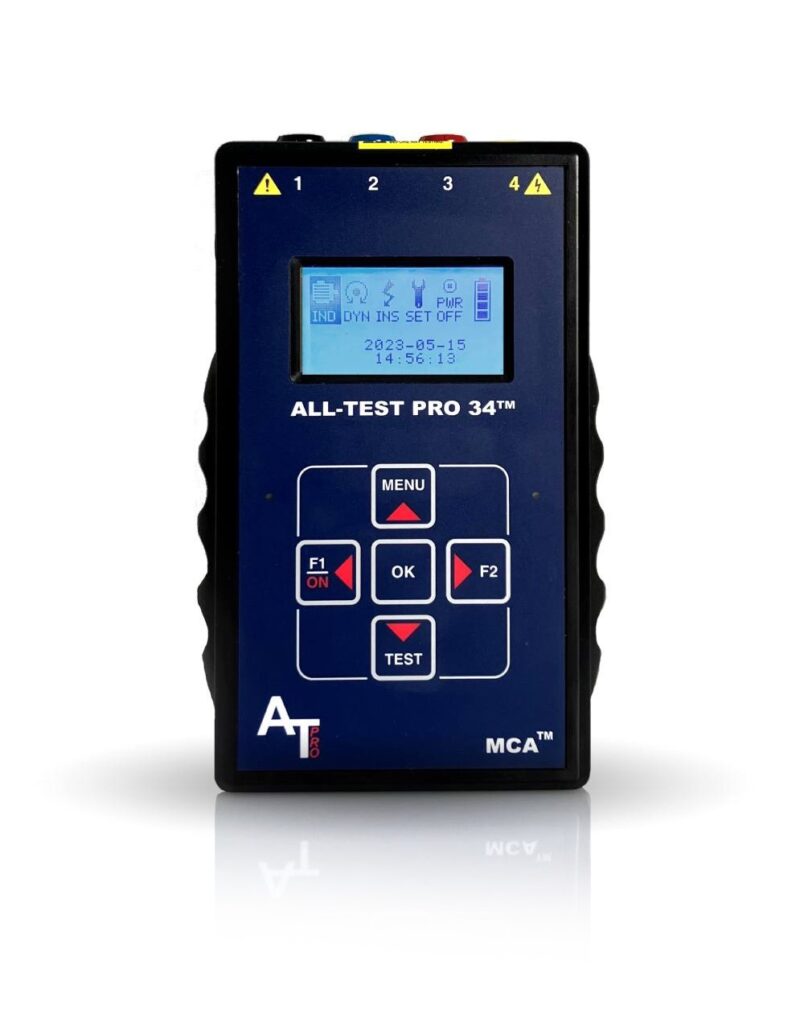
AT34
Analizzare e monitorare l’integrità dei componenti del motore per individuare guasti a terra, guasti agli avvolgimenti interni, connessioni aperte e contaminazione, il tutto con un unico dispositivo portatile.

Seminario online di diagnostica motoristica di livello mondiale – Livello 1 – 12-16 giugno
Avete sentito? Dal 12 al 16 giugno si terrà il seminario di diagnostica motoristica di livello 1 della World Class. Si tratta di un seminario online/virtuale che inizierà ogni giorno […]

Preconlub 15-16 giugno 2023 Leon, Messico
Unitevi alla responsabile regionale LATAM di ATP, Gloria Urizar, che presenterà al Preconlub 2023! Maggiori dettagli: https://www.preconlub.com/ Gloria Urizar Responsabile regionale – America […]