
การทดสอบมอเตอร์เชิงรุกช่วยปกป้องโรงงานเอทานอล
Ethanol is a clean-burning fuel that has been used in the United States since 1850. The Ford Model T was designed to run on ethanol, and although banned during the Prohibition era, it regained popularity in the 1970s during a time of high oil prices and concerns about oil imports. Ethanol made a major comeback when Congress initiated alternative fuel standards in 2005 to set minimum requirements for the use of renewable fuels. Today, approximately 14 billion gallons of ethanol are added annually to gasoline consumption nationwide.
company
One company dedicated to supporting America’s renewable energy sources is Cardinal Ethanol. In 2008, Cardinal Ethanol began operations of a natural gas-fired ethanol plant in the heart of the Corn Belt. Located in Indiana, this ethanol plant produces approximately 100 million gallons of ethanol annually, in addition to a dry distillation process with 340,000 tons of soluble grain, which is sold to companies that produce animal and poultry feed.
Application form
In order to produce 100 million gallons of ethanol per year, the plant must ensure that its equipment operates reliably 24 hours a day, 7 days a week. The on-site maintenance team at the ethanol plant schedules two “planned shutdowns” annually, once in the spring and once in the fall, to perform maintenance on the equipment and machinery operating at the plant. During the fall shutdown of 2015, four new motors were installed to drive the conveyor belts that feed corn to the ethanol processing plant.
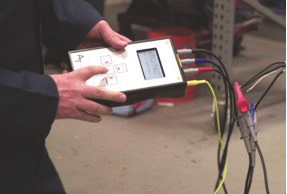
In December 2015, the maintenance team noticed a disruption in the grain flow. Mark Durr, the maintenance program manager at the ethanol plant, quickly inspected the grain delivery system and found that the disruption in grain flow was caused by intermittent shutdowns of the conveyor belt. Mark then instructed the in-house maintenance team to perform multiple tests on the four motors that drive the corn conveyor belt.
“I had my technicians test all four motors, ranging in power from 40 to 60 horsepower, and our megaohm meter showed the coils were fine, no short circuits, and nothing to ground,” Mark explained. “When we used the ALL-TEST PRO 33 IND™ motor tester, it showed us the rotor was faulty.”
Test results
Mark immediately contacted the general contractor who installed the motors to inform him of his findings. The contractor was skeptical of Mark’s conclusion that the problem was with the rotors. The motors were new, and the contractor couldn’t believe that all four motors had rotor issues. When asked why he came to this conclusion about the rotors being the cause of the problem, Mark explained to the contractor that he had an AT33™, a motor tester that showed the stator windings and rotor in perfect condition even without power.
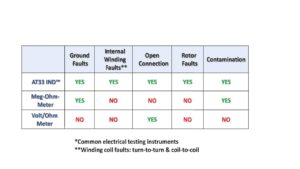
“I bought the AT33™ motor tester about a year ago, not long after I started working at this plant. We focused on preventative maintenance to keep the plant running, and that meant having the right tools to prevent shutdowns,” Mark said. “When you have a problem with a motor, a megohm meter, multimeter, and LCR meter (inductance L, capacitance C, resistance R) won’t tell you if there’s a problem with the rotor, but the AT33™ will.”
After sharing the motor test results with the contractor, the contractor prepared to replace the motor under warranty. The motor, tested with the AT33™, was sent to the contractor’s service center for disassembly and inspection. The service center technicians confirmed that the rotor was indeed the primary cause of the motor’s failure to function as intended.
“A report from the service center confirming a faulty rotor wasn’t surprising to me,” Mark recounted. “We’ve used the AT33™ quite successfully on several motors, as we know typical testers don’t have the capability to demonstrate rotor health. This was one of the main reasons I bought the AT33™—its rotor testing capabilities. In this case, it was really useful.”
Summary
The motor should be tested before installation.
Inspecting both new and stored motors before installing them into the system is crucial. Taking just a few minutes to test a motor before installation can save thousands of dollars in maintenance costs, and in some cases, may even save you the expense of shutting down the system.
The AT33™ unpowered motor tester, which performs both static and dynamic testing, is a proven asset in revealing the pristine condition of motor rotor and stator windings, and also helps maintenance technicians or operators understand if there are any issues related to contamination, connection, and grounding abnormalities.
About ALL-TEST Pro, LLC
ALL-TEST Pro provides true motor maintenance and troubleshooting with innovative diagnostic tools, software, and support, helping you keep your business running smoothly.
About Cardinal Ethanol
The Cardinal Ethanol Project was initially established by 12 members from Randolph County, Indiana, and officially convened in February 2005 with the purpose of planning, constructing, and operating a 100 million gallon dry mill corn processing plant to benefit investors, farmers, and the community.
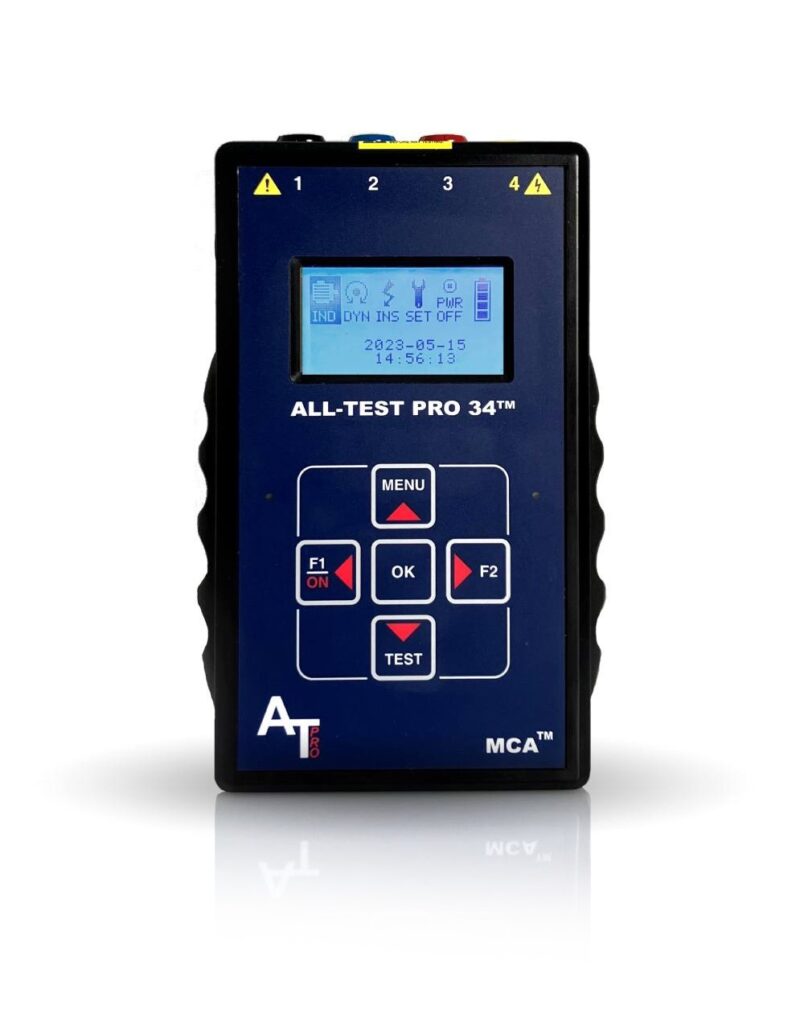
AT34™
วิเคราะห์และแนวโน้มความสมบูรณ์ของส่วนประกอบมอเตอร์สำหรับความผิดปกติของกราวด์ ความผิดปกติของขดลวดภายใน การเชื่อมต่อแบบเปิด และการปนเปื้อน – ทั้งหมดนี้ทำได้ด้วยอุปกรณ์มือถือเครื่องเดียว