
Le acciaierie aumentano il ROI con i test sui motori eccitati
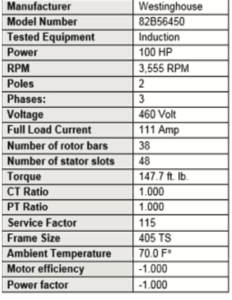
If a steel mill could lose $5,000 for every minute of unplanned downtime, it wouldn’t be surprising to see a steel mill implement a preventative maintenance program to keep its equipment running reliably and avoid unplanned downtime. One American steelmaker that understands the importance of preventative maintenance sends its team of motor technicians to test motors throughout its steelmaking plant every six months. In April 2014, a motor technician detected a fault in a 100-horsepower Westinghouse AC motor after using the ALL-TEST PRO On-Line II™ live motor test instrument.
Understanding the application
This 100 HP engine was one of several operating in Coil Strip #3, where steel coils are processed through the Continuous Annealing Line #3 (CAL). The annealing line unwinds the steel coils, heats them to a malleable temperature, and subjects them to various processes to achieve specific qualities.
“There are a lot of moving parts in a steel mill,” explains Frank Settles, the mill’s motor technician. “When I go to test motors on a track, I test at least 25 at a time.”
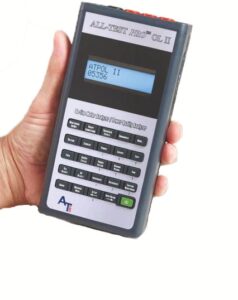
Settles ha collegato al quadro elettrico lo strumento portatile per il test dei motori sotto tensione ATPOL II™, per condurre i test di monitoraggio delle condizioni a una distanza di sicurezza dal motore in funzione. “Quando ho testato questo motore da 100HP, l’ATPOL II™ ha indicato un problema con le barre del rotore”, afferma Settles.
Le indicazioni anomale sono state segnalate al capo reparto della striscia di bobine #3 e sono stati presi provvedimenti immediati per sostituire il motore. Una volta installato un nuovo motore nella linea di ricottura continua #3, il motore con problemi di salute è stato inviato a un centro di riparazione motori del Midwest per ulteriori ispezioni e analisi. Il responsabile della manutenzione dell’acciaieria voleva che il centro di riparazione motori controllasse le condizioni del motore e confermasse i risultati del test del motore sotto tensione.
Ulteriori indagini confermano i risultati del test ATPOL II
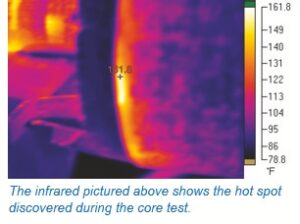
Presso l’impianto di riparazione dei motori sono stati eseguiti diversi test: il motore da 100HP ha mostrato letture iniziali di 200 Meg-ohm a 500 Volt; il test di sovratensione è risultato accettabile. Quindi il rotore è stato sottoposto a core-test per verificare la presenza di cortocircuiti nelle laminazioni e nei collegamenti tra le laminazioni e l’anello di messa a terra.
“È stato scoperto un punto caldo nelle laminazioni vicino all’anello di cortocircuito”, spiega Jonathan Walma di Harrison Electric, Inc. “Le barre del rotore sono attraversate da corrente indotta dallo statore per creare un campo magnetico. Quando una di queste barre viene scollegata, la potenza del motore si riduce e la corrente necessaria per far funzionare il motore a pieno carico aumenta, quindi è stata una buona soluzione; altrimenti il motore si sarebbe trovato in una situazione di sovraccarico”.
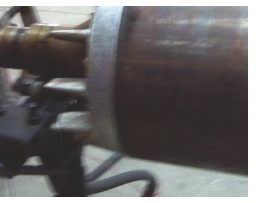
Dopo che l’officina di riparazione del motore ha confermato i problemi al rotore rilevati inizialmente dall’ATPOL II™, il responsabile della manutenzione dell’acciaieria ha confrontato il costo della riparazione del motore con quello dell’acquisto di un motore nuovo. Poiché il costo della riparazione del motore era superiore a quello di un motore nuovo, il responsabile della manutenzione ha chiesto che il motore difettoso fosse restituito all’acciaieria per essere riciclato e smaltito correttamente.
“The steel mill hasn’t experienced any losses because the rotor faults were detected before they failed,” says Settles. “The ATPOL II™ has proven to be excellent at fault-finding both AC and DC motors, and can even predict when a motor problem might occur. Third-party testers once came in with different equipment, which was very expensive and not as portable as the ALL-TEST Pro instruments, and they didn’t detect the problems that the ATP equipment could detect.”
Engine analysis is part of your preventative maintenance program
To date, this steel mill has purchased approximately $80,000 worth of motor testing equipment from ALL-TEST Pro—both live and de-live testing instruments. They have regularly updated the software, calibrated the equipment, and utilized the on-site and remote support provided by ALL-TEST Pro. This steel mill has made a strong commitment to performing motor testing as part of its preventative maintenance program, achieving significant savings. Could live motor testing save every steel mill $7 million a day? While this question is difficult to answer, one thing is certain: downtime costs money. Equipment failure translates into real dollars every time a production plant stops operating. Make motor testing part of your preventative maintenance program to keep them running and calculate the savings.
Watch this video to see how engine testing can save you time, money, and headaches. For more information, visit alltestpro.com .
About ALL-TEST Pro, LLC
ALL-TEST Pro delivers on the promise of true engine maintenance and troubleshooting, with innovative diagnostic tools, software, and support that keep your business running.
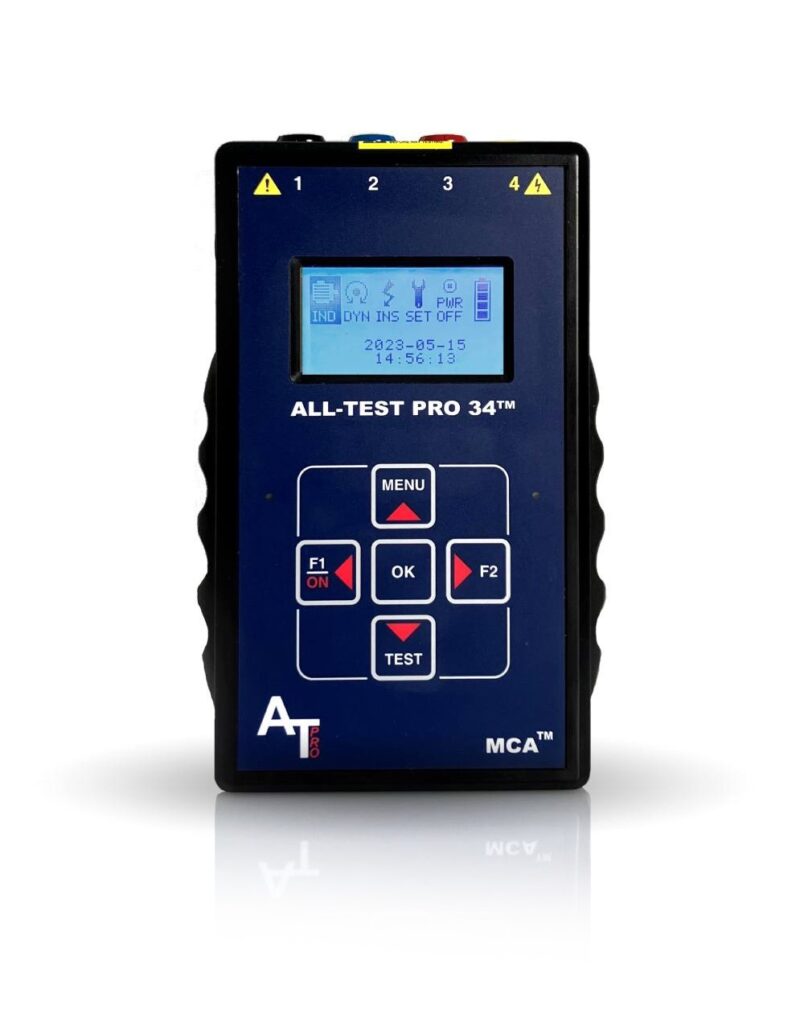
AT34
Analizzare e monitorare l’integrità dei componenti del motore per individuare guasti a terra, guasti agli avvolgimenti interni, connessioni aperte e contaminazione, il tutto con un unico dispositivo portatile.

Seminario online di diagnostica motoristica di livello mondiale – Livello 1 – 12-16 giugno
Avete sentito? Dal 12 al 16 giugno si terrà il seminario di diagnostica motoristica di livello 1 della World Class. Si tratta di un seminario online/virtuale che inizierà ogni giorno […]

Preconlub 15-16 giugno 2023 Leon, Messico
Unitevi alla responsabile regionale LATAM di ATP, Gloria Urizar, che presenterà al Preconlub 2023! Maggiori dettagli: https://www.preconlub.com/ Gloria Urizar Responsabile regionale – America […]